Woks have woven themselves into kitchens throughout continents, their curved silhouettes just as likely to be found out in a homey Cantonese stir-fry as inside the palms of a French chef tossing greens for a innovative fusion dish. Yet for all this ubiquity, the query persists: which kind of wok stands the try of time and gives you the surest feel - cast iron or carbon steel? Ask three cooks and you’ll get a minimum of four reviews, every one with passionate arguments rooted in lived enjoy. Let’s dig deep into the actual-international business-offs of solid iron and carbon metal woks, surprisingly with regards to toughness and care.
The Lay of the Land: What Sets Cast Iron and Carbon Steel Apart
Walk as a result of any cookware phase and also you’ll spot both cast iron and carbon metallic woks. At first look, they proportion similarities. Both are made from iron-headquartered alloys and each demand seasoning for height efficiency. Yet the transformations run deeper than floor visual appeal and even weight.
Cast iron includes extra carbon than carbon metal, because of this it’s extra brittle but additionally holds warmness longer. Most solid iron woks are thicker and heavier. In assessment, carbon steel is cast thin, faded, and fairly bendy. These physical houses don’t just impact how they feel within the hand - they form every thing from how you cook dinner to how you hold your wok yr after 12 months.
Heat Performance: Speed, Control, and Searing
The center of wok cooking lies within the dance of warmth. Stir-frying, in any case, is set swift, excessive-temperature cooking that produces the coveted “wok hei” - the marginally smoky, charred style that marks quality Asian delicacies.
Carbon metallic woks reply to warmth like a physical activities automobile hugging the curves of a mountain highway. Place one on a mighty burner and it heats up in lower than a minute. Adjust the flame, and also you’ll realize the switch virtually right away. This quickly responsiveness permits for properly manage, that's predominant if you’re juggling comfortable vegetables, thinly sliced meats, or without delay lowering sauces.
Cast iron woks, alternatively, are more like a good pickup truck. They take longer to succeed in cooking temperature - repeatedly countless minutes depending on thickness and stove capability. But as soon as warm, cast iron holds onto warmth with tenacity. This should be a blessing for dishes that receive advantages from steady, even warmness or while searing large portions of meat.
The change-off seems to be while you try to switch temperatures at once. If your garlic begins to brown too quick in a solid iron wok, turning down the flame won’t cool issues off instantly; the pan’s thermal inertia way it stays scorching. Carbon metallic grants faster recovery and variation, which makes it better proper for classic stir-frying tactics.
Seasoning: The Art and Science of Non-Stick
Both cast iron and carbon metallic woks depend on seasoning for their natural non-stick houses and rust resistance. Seasoning comprises forming layers of polymerized oil - virtually cooked-on fats - that bonds with the steel surface over time.
When you purchase a new carbon steel wok, it basically arrives with a protective coating that would have to be scrubbed off until now its first use. After a thorough cleaning, cooks always heat the wok until it smokes evenly, then rub it with top-smoke-point oil (grapeseed, canola, or flaxseed are established choices). Repeating this activity builds up the signature black patina that turns into slicker with each use.
Cast iron woks need equivalent therapy, while they may arrive pre-seasoned. Still, so much pro wok clients prefer to build up further layers themselves, fairly on naked forged iron surfaces. The technique is slower as a result of the steel’s porous texture yet ultimately consequences in a long lasting conclude.
A seasoned wok is both a software and a badge of honor - the dark, sleek indoors tells the tale of a number of meals and attentive care. The flavor reward are real; seasoned woks impart refined complexity to food that no manufacturing facility coating can match.

Weight and Handling: Muscle Memory in the Kitchen
Ask human being who cooks probably with the two sorts and the first factor they’ll mention is weight. A frequent 14-inch cast iron wok can weigh anywhere from 8 to 12 kilos empty, when a carbon metallic wok of the similar size aas a rule comes in at 3 to 5 kilos.
This difference shapes how you employ the pan. With carbon metal, tossing materials will become moment nature - the lightness invitations circulate and aptitude. Flip shrimp with a flick of the wrist or shake the wok over the flame; the pan rewards agility and confidence.
Cast iron woks require a steadier hand and broadly speaking the two hands, mainly when complete. Tossing foodstuff is that you can imagine but a long way less fluid. Some cooks with restricted wrist capability in finding cast iron woks bulky for excessive-action ideas. On the flip area, their heft grants balance - realistic should you opt to shop the wok stationary and stir parts by using utensils on my own.
Durability: Built for Decades or Generations
Both solid iron and carbon metallic woks can outlast their householders if taken care of smartly, but their paths to sturdiness range.
Cast iron, with its thick physique and resistance to warping, shrugs off excessive warm and heavy use. I’ve noticeable century-historic forged iron pans still frying white meat in Southern kitchens, their surfaces pretty much glassy from generations of seasoning. In woks, this resilience interprets into a vessel that’s not likely to warp or dent, despite the fact that losing you can still spell disaster - even splendid solid iron is brittle and may crack if mishandled.
Carbon steel is complicated in its possess means yet more prone to warping under serious heat, notably if it’s thin and exposed to unexpected temperature variations (like rinsing a warm wok below chilly water). Dents are rare until the pan is dropped or struck forcefully. With attentive care - drying after both use, familiar seasoning, averting extended acidic meals - carbon steel woks readily remaining many years.
What does this mean in prepare? For so much dwelling house chefs, both types can furnish two decades or more of reputable provider. In advertisement kitchens, in which gear are abused day-to-day and speed trumps sentimentality, carbon metallic woks continue to be the everyday through their mix of sturdiness and quickly coping with.
Care and Maintenance in Real Life
Here’s wherein conception meets practice and where confidential behavior play a starring position.
Imagine a weeknight: you’ve just finished a spicy pork stir-fry and the youngsters are clamoring for noodles subsequent. Do you could have time and staying power for careful cleanup? Or do you need a wok that forgives shortcuts?
A nicely-seasoned carbon steel wok cleans up with little greater than scorching water and a delicate brush or sponge. If bits stick, a bit salt and oil scoured with a paper towel do the trick. You would have to dry it quickly and rub on a thin layer of oil to stop rusting. Neglect this step a couple of times and specks of orange rust would seem to be, however those are effortlessly scrubbed away if caught early.
Cast iron woks behave a whole lot the comparable yet require even stricter avoidance of moisture. Their thicker bodies can preserve water longer, making thorough drying essential. I’ve learned the complicated method that storing a damp solid iron wok - even for an hour - results in persistent rust spots that take elbow grease and endurance to take away.
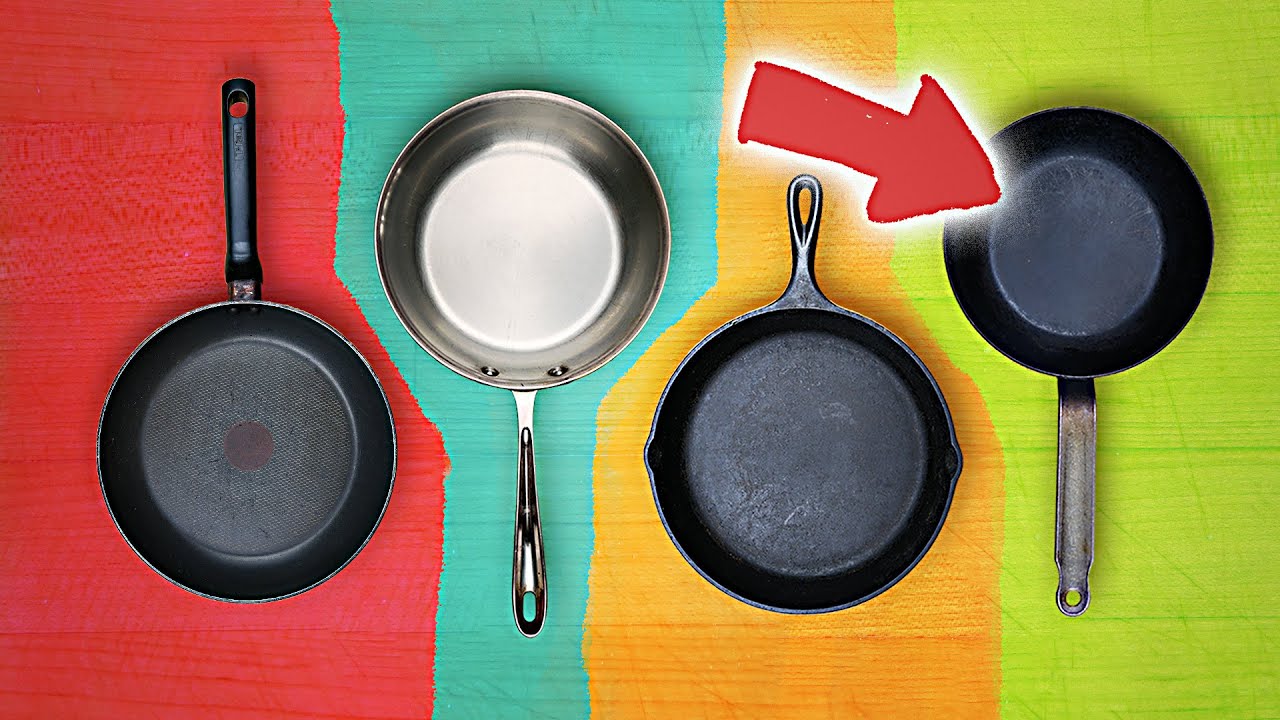
Both types dislike the dishwasher and amazing detergents; those strip away seasoning and invite rust. Acidic meals (like tomatoes or vinegar-heavy sauces) should always be used sparingly until eventually a deep seasoning has formed, considering that acid eats away at the protecting layer.
Quick Care Reference
Here’s a guidelines for being concerned for both style of wok:
Wash immediately after use with hot water and a tender brush. Dry very well over low warm (a minute or two at the stovetop works). Wipe with a thin coat of oil. Store exposed in a dry region. Avoid lengthy cooking of acidic foods till seasoning is properly well-known.Miss a step now after which? Don’t be concerned; equally types are forgiving if you happen to catch things early.
Edge Cases: When Each Shines or Struggles
Real kitchens hardly ever have compatibility neat boxes, so enable’s analyze a few scenarios in which one cloth outperforms the opposite.

If you've got you have got an induction cooktop, many carbon steel woks will work smartly on account that they’re magnetic and type a pretty good flat-bottomed touch. Cast iron woks additionally perform on induction however their thickness could make them sluggish to warmness and more difficult to move.
For outside wok burners or prime-BTU gasoline levels, carbon steel continues to be king. Its resilience at prime heat and faded weight make it the default for avenue proprietors and eating place cooks throughout Asia.
If you crave slow-cooked stews or braised dishes, solid iron rewards persistence with secure, even warmth and unequalled intensity of style. I usally use my forged iron wok for making crimson-braised beef stomach; the conclude is continually smooth and wealthy.
On the opposite hand, if arthritis or limited grip force is an subject, carbon metallic’s lighter build opens up original wok cooking for those who could another way pull away from heavy cookware.
The “Wok Hei” Debate
No dialogue of wok substances is whole with out touching on wok hei - the elusive breath of the wok that comes from scorching heat and faster stream.
Carbon steel, with its thin walls and speedy warm move, excels right here. The superb wok hei comes from roaring flames licking the sides of the pan as you toss noodles or greens with abandon.
Cast iron woks can attain something related however call for a section greater staying power and skill, since the walls don’t warmness up as briskly and the pan is harder to move over the flame.
That observed, a few dwelling house chefs swear by using the sophisticated smokiness their forged iron wok imparts over years of use, insisting that style is outfitted up not just from hearth yet from the gathered seasoning itself.
Cost Considerations
Both types of woks are cost-effective when compared to excessive-cease clad stainless pans or copper cookware. A excellent carbon metallic wok most likely rates among $30 and $60; naked solid iron woks range from $40 as much as $a hundred depending on company and dimension.
For such a lot of us, the worth distinction isn’t good sized enough to sway the https://dallaseliv512.iamarrows.com/pros-and-cons-of-cast-iron-woks-vs-carbon-steel-woks resolution - exceptionally given the many years of use the two versions provide if cared for properly.
Personal Experience: Lessons Learned
I’ve owned either forms for over fifteen years and have cooked everything from Thai pad see ew to Sichuan dry-fried beans in every one. My first carbon metal wok was a no-call Chinatown particular - skinny as paper and costing much less than $20. After a couple of months of close to-every day use and typical seasoning, it evolved a nonstick surface that outperformed so much Teflon pans and not ever appeared back.
My cast iron wok came from a rural industry in China, thick-walled and equipped like a battleship. It calls for appreciate - I can’t toss it around flippantly - however I adore it for deep frying and sluggish-cooked braises when I have time to savor the job.
Both have survived minor forget about and the occasional hasty cleansing mistake. Both have rewarded me with flavors unimaginable to gain every other method.
Choosing What’s Right for You
The simplest wok is the one you’ll use step by step and look after willingly. If you prize agility and lightning-immediate response, carbon metallic promises unmatched overall performance for conventional stir-fries. If you importance balance, warmth retention, and the talent to address stews or deep-frying with no worry of warping, forged iron has much to recommend it.
Either will serve you properly for many years if you happen to increase seasoning patiently and ward off over the top moisture or harsh chemical compounds. A nicely-cared-for wok turns into not just a cooking instrument yet an heirloom - a vessel that contains the memory of each meal shared round your table.
When evaluating forged iron wok vs carbon steel, understand that that the two gift palms-on care and curiosity inside the kitchen. The determination comes all the way down to your style, your stove, and the reviews you favor your cookware to inform.